Symbolic vs neural AI: choosing what to read
Symbolic and neural approaches offer different ways to represent and work with information. A historical introduction can explain the questions behind that distinction without proving which architecture is best for a new application. Symbols and Neurons is positioned as that introduction, with narrative history rather than implementation recipes.
Decide whether you need history or engineering guidance
A history of ideas can explain why researchers asked particular questions and why an approach became attractive. It cannot establish the best architecture for a product you are building now. Separate those reading goals before choosing a book.
Questions for a historical account
- Does a passage identify a published source or reconstruct a conversation?
- Is it describing a research result, an author’s interpretation or a dramatic scene?
- Does the account distinguish limitations of a particular system from limitations of an entire approach?
Symbols and Neurons follows the tension between symbolic and connectionist traditions through a narrative structure. Its landing page gives a chapter outline and sample so you can judge the writing directly. Historical scenes and reconstructed dialogue require a different reading posture from primary research.
Questions for a technical decision
If you need to select a system, start with the actual task and constraints: available data, error tolerance, inspection needs and maintenance costs. Then compare working implementations on representative cases. A historical success or failure does not automatically transfer to a different task or a newer implementation.
Read with two layers of notes
Keep one layer for the story the author tells and another for claims you want to follow into original publications. This makes the book a starting point for inquiry rather than the last authority on contested history.
Read a sample before choosing
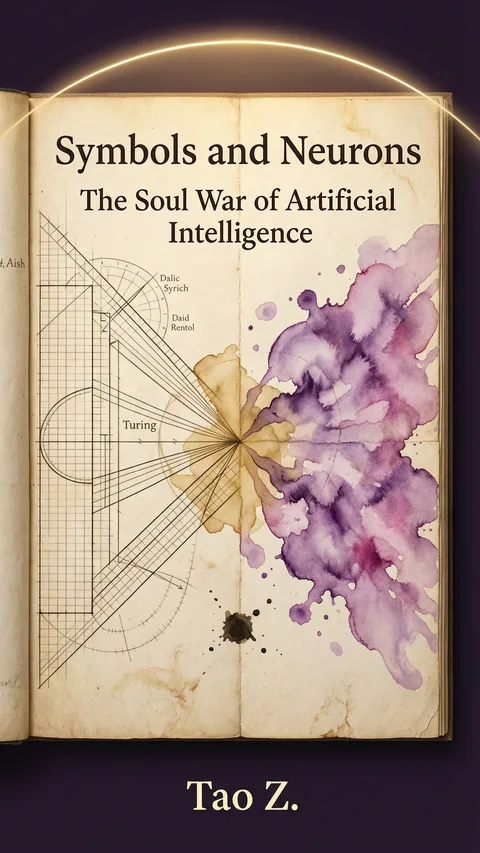
Symbols and Neurons
A narrative introduction to the competing ambitions of symbolic and neural AI.
Publisher-owned book. Sales support its author. Disclosure.
Sample, chapter outline and limitations →Prepared with AI assistance. Updated 2026-10-24. About our recommendations.